
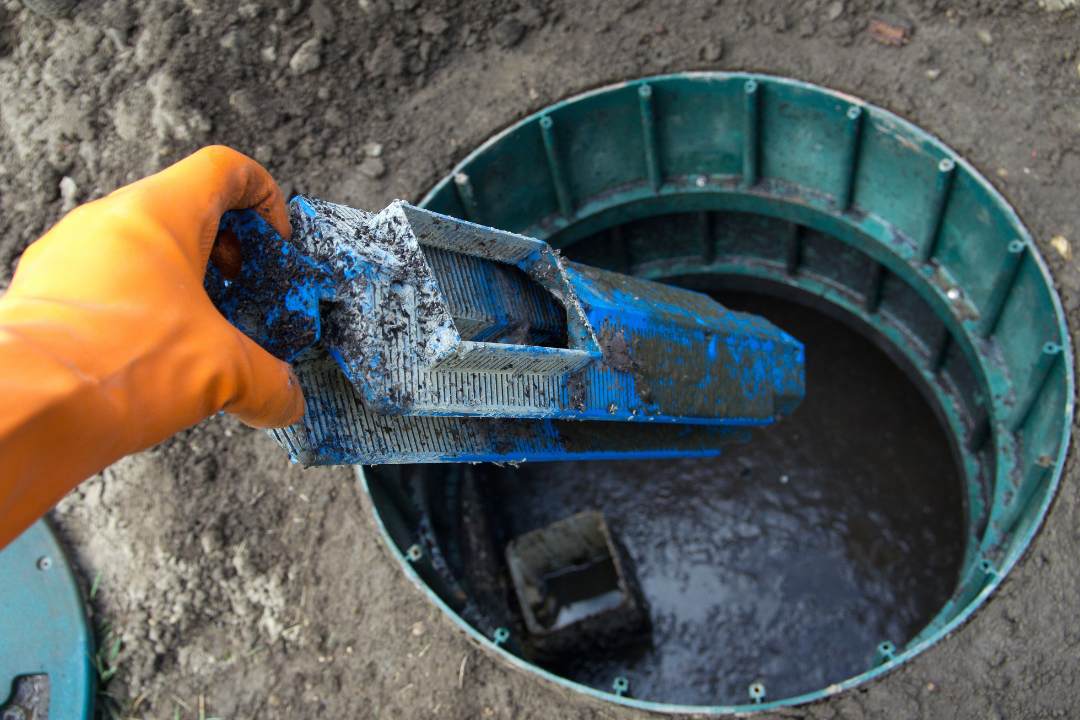
A properly functioning septic system is essential for managing household waste in homes not connected to city sewage lines. But like any other part of your home, your septic system can experience issues over time. Ignoring the early warning signs can lead to costly repairs or even a full system replacement. So, what are the top signs your septic system needs immediate repair? In this article, we’ll explore some of the most common indicators that something is wrong and explain why it’s crucial to act quickly if you notice these signs.
What Is a Septic System and How Does It Work?
Before diving into the warning signs, it’s important to understand how a septic system operates. A septic system consists of a septic tank and a drain field (or leach field). Wastewater from your home flows into the septic tank, where solids settle at the bottom and grease floats to the top. Bacteria in the tank break down the waste, and the remaining liquid (called effluent) moves into the drain field, where it’s absorbed into the ground.
While septic systems are built to handle the waste from your home, they are not immune to wear and tear. Regular maintenance is key, but even with proper care, problems can arise.
Top Signs Your Septic System Needs Immediate Repair
1. Slow Drains Throughout Your Home
One of the first signs your septic system may need immediate repair is slow drains. If you notice that water is draining slowly in multiple areas of your home—such as sinks, showers, and toilets—this could indicate a blockage in your septic system. To address these issues promptly, consider contacting Clearflow Septic Pro for professional assistance and reliable solutions.
Why Slow Drains Matter
Slow drainage may suggest that your septic tank is full or that there is a clog in the pipes leading to the tank. If left untreated, this can lead to backups and further damage to your plumbing and septic system.
2. Foul Odors Inside or Outside Your Home
Unpleasant smells, whether inside or outside, are never a good sign when it comes to your septic system. A properly functioning septic system should not emit any odors. If you detect foul smells near drains or around the drain field, it’s likely that there is a serious problem.
What Causes the Odors?
Foul odors can occur if the septic tank is overfilled, or if there is a leak in the tank or pipes. The smells are caused by gases like methane and sulfur, which should remain trapped in the system. When they escape, it’s a sign that your system is compromised.
3. Standing Water in Your Yard
Have you noticed pools of water in your yard, especially near the drain field or septic tank? This is one of the most obvious signs that your septic system needs immediate attention. Standing water indicates that your septic system is no longer properly processing wastewater.
What Does Standing Water Mean?
If your drain field becomes saturated with wastewater, it can no longer absorb the effluent, causing it to rise to the surface. This may occur if the tank is full, if the drain field is clogged, or if there is a break in the pipes leading from the tank to the drain field.
4. Sewage Backups
Sewage backups are one of the most serious and unpleasant signs that your septic system needs urgent repair. If wastewater or sewage starts backing up into your home, particularly in lower levels like the basement or near toilets, you have a significant problem.
Causes of Sewage Backups
Backups can be caused by a variety of issues, including a full septic tank, blockages in the system, or damage to pipes. This is not only a health hazard but can also lead to extensive property damage if not addressed immediately.
5. Lush, Green Patches in Your Yard
It may seem like a good thing to have lush, green patches of grass in your yard, but if these patches are located near your drain field or septic tank, it could be a sign of a leak. When wastewater leaks into the surrounding soil, it acts as a fertilizer, leading to unusually green and fast-growing grass in those areas.
Why Is This a Problem?
This indicates that your septic system is not containing waste properly, and it may be leaking harmful bacteria into the ground. This can contaminate groundwater and pose a health risk to you and your family.
6. Gurgling Sounds in Plumbing
If you hear gurgling noises when flushing the toilet or running water in your sinks and showers, it could be a sign of septic system trouble. These sounds suggest that air is trapped in the pipes due to a blockage or a full septic tank.
What Causes Gurgling?
Gurgling sounds can occur when the septic tank is full, causing pressure to build up in the pipes. The trapped air creates the noise as it tries to escape through your plumbing system.
7. High Nitrate Levels in Well Water
For homeowners who use well water, high nitrate levels can be a warning sign that your septic system is failing. A leaky septic system can contaminate the groundwater, leading to elevated levels of nitrates, which can be harmful to your health if ingested.
Why Are High Nitrates Dangerous?
Nitrates can affect oxygen levels in the blood, particularly in infants, and may cause a condition known as methemoglobinemia, or “blue baby syndrome.” If your well water tests high for nitrates, you should have your septic system inspected immediately.
Why Immediate Repair Is Essential
When your septic system shows signs of failure, quick action is crucial. Ignoring the warning signs can lead to much bigger problems, including the need for costly repairs, environmental contamination, and health risks.
Potential Consequences of Delayed Septic System Repair:
- System Failure:
- If you ignore the signs of septic system failure, it could result in a total system breakdown, requiring a complete replacement. Replacing a septic system can cost thousands of dollars, far more than repairing it in its early stages.
- Environmental Damage:
- Leaking septic systems can contaminate groundwater, local streams, and even nearby lakes or rivers. This pollution can harm wildlife and pose risks to the health of your community.
- Health Hazards:
- Sewage backups, standing wastewater, and contaminated well water all pose serious health risks. Bacteria and pathogens in the waste can lead to illnesses and infections if you come into contact with them.
How to Prevent Septic System Issues
While repairs may be necessary at some point, there are steps you can take to help prevent problems with your septic system.
1. Regular Maintenance
One of the best ways to keep your septic system functioning properly is through regular maintenance. This includes having your septic tank pumped every 3 to 5 years, depending on the size of your household and the amount of wastewater your home produces.
2. Watch What You Flush
Only flush biodegradable items down the toilet. Avoid flushing things like wipes, feminine hygiene products, or paper towels, as these can cause clogs and lead to septic system issues.
3. Be Mindful of Water Usage
Conserving water can help prevent overloading your septic system. Spread out activities like laundry and dishwashing throughout the week, rather than doing everything in one day. Excess water can strain the system and lead to backups.
4. Protect Your Drain Field
Avoid parking vehicles or planting trees directly on or near your drain field. Compacted soil and roots can damage the pipes in the drain field, leading to costly repairs.
Conclusion
Your septic system plays a vital role in managing your household waste, and understanding the top signs your septic system needs immediate repair is key to avoiding costly repairs and health risks. If you notice slow drains, foul odors, or any other warning signs mentioned in this article, it’s crucial to contact a septic professional right away. Regular maintenance, mindful water usage, and paying attention to early warning signs will help keep your septic system running smoothly for years to come.


 Tech Blog