
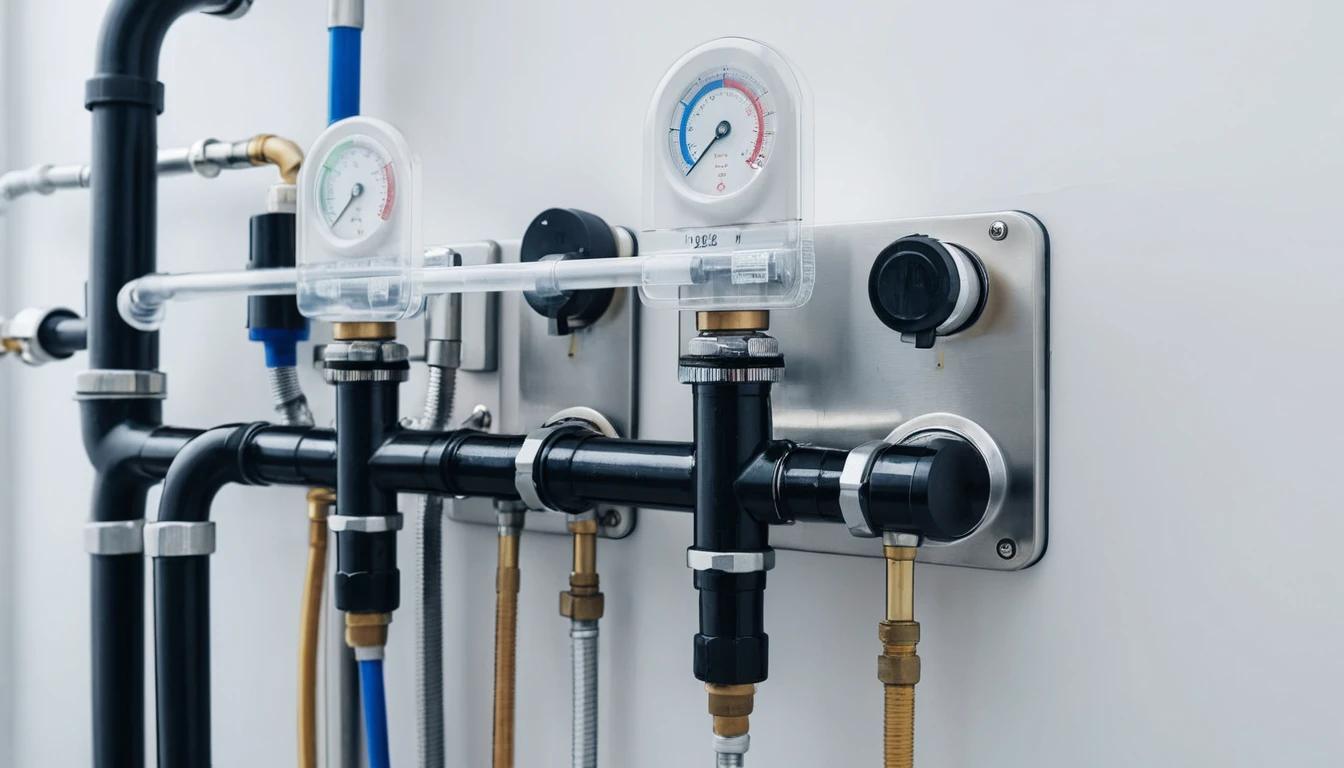
Plumbing systems in Singapore homes face steady pressure from the region’s strong climate and humidity. The warm air, high moisture, and frequent rain place constant stress on pipes, fittings, and drainage lines. These conditions shape how water flows, how materials react, and how long key components last. This article explains how climate and humidity influence plumbing systems in Singapore homes and offers clear points that help homeowners understand common issues and practical care steps.
The Impact of Heat on Plumbing Systems
Singapore stays warm all year, and this steady heat affects the daily performance of plumbing systems. Heat raises the temperature of water inside the pipes, which can cause expansion in metal or plastic lines. Repeated expansion and contraction weaken joints, shorten the lifespan of sealing materials, and create small gaps where leaks may begin. Warm water also speeds up mineral buildup, which can restrict flow in older systems.
Singapore homes that use roof water tanks may face rapid pressure shifts during extremely sunny days. As water heats up, pressure inside the pipes rises, increasing the chances of pipe bursts in aging or poorly maintained systems. Houses with exposed pipelines experience these temperature effects even faster because the pipes absorb direct heat for long periods. These challenges explain why climate plays a major role in system durability, and why many homeowners rely on a Plumber Singapore service to assess heat-related stress, detect early signs of pressure imbalance, and understand how local weather conditions impact long-term plumbing reliability.
How High Humidity Influences Pipe Condition
Humidity in Singapore stays high due to constant moisture in the air and frequent rainfall. This moisture collects on pipes and fittings, which can create surface water around indoor and outdoor plumbing lines. The presence of moisture speeds up rust on metal pipes and fittings, especially in older Singapore homes. Rust weakens the pipe walls and increases the risk of cracks. High humidity also affects pipe insulation by causing it to become damp, soft, and less effective.
Plastic pipes do not rust, but they still face stress from humidity. Moisture can affect the grip of connectors and weaken adhesive seals used in some plumbing systems. In bathrooms and kitchens, the mix of warm air and moisture can increase mold around sinks, traps, and drainage lines. Mold does not damage the pipes directly, but it signals damp conditions that affect long-term performance. Continuous humidity also slows down drying after leaks, which increases the impact of even small plumbing faults.
The Role of Frequent Rainfall on Drainage
Singapore receives heavy rainfall through much of the year. This rainfall influences both indoor and outdoor plumbing systems. Heavy rain increases pressure on drainage lines because the water moves quickly through the system in a short time. If drains contain debris, the rainwater may back up and create flooding in low areas of Singapore homes. Older drainage systems may struggle with fast-moving water, which leads to standing water and foul smells.
Rainwater also enters soil around underground pipes. Wet soil shifts more easily, which can change pipe alignment and create stress points. Misaligned pipes may crack or leak over time. Outdoor drains near gardens or walkways often fill with leaves and dirt after strong rain. If not cleared, these blockages reduce water flow and raise the pressure inside connected pipes. The frequent rain in Singapore makes routine cleaning a key part of protecting plumbing systems.
Condensation and Its Effect on Indoor Plumbing
Condensation forms when warm indoor air meets colder pipe surfaces. This issue is strong in Singapore because the humidity level remains high even indoors. Condensation creates a steady layer of moisture on pipes, especially around cold-water lines. This moisture drips onto floors, cabinets, and walls, creating damp patches that damage indoor surfaces.
In Singapore homes with concealed pipes, condensation may collect in hidden spaces. The moisture may weaken ceilings, grow mold, and cause unpleasant odors. If the pipe insulation is worn out, condensation becomes stronger and more frequent. This constant moisture can lead to long-term structural damage that costs more to repair than the original plumbing fault. Homeowners who notice damp surfaces or water spots often discover that condensation, not a leak, is the cause.
The Effect of Climate on Plumbing Materials
Different materials respond to climate and humidity in different ways, which shapes how plumbing systems perform in Singapore homes. Metal pipes handle heat well but can rust easily in moist air. Rust weakens the structure and changes water taste or color. Stainless steel resists rust better, but it still reacts to long-term moisture when installed in poorly ventilated spaces.
PVC and other plastic pipes resist rust, but they expand in heat and may warp if exposed to direct sunlight. Over time, this expansion changes the shape of the pipe and increases pressure at joints. Rubber seals in valves and faucets also react to humidity. They may swell or soften, reducing their ability to seal properly. When seals lose their grip, leaks appear even without pressure issues.
Copper pipes perform well under heat, but they may corrode when exposed to moist air, especially in coastal areas. Corrosion reduces flow and may create small holes. These reactions show why material selection plays a strong role in how plumbing systems handle Singapore’s climate.
Pressure Changes Caused by Weather
Weather patterns in Singapore affect water pressure inside plumbing systems. Hot days increase water temperature and raise pressure in closed pipe systems. Heavy rain can lower water pressure if supply demand rises in certain areas. Sudden pressure changes stress pipe joints and increase the chance of leaks in older homes.
High humidity also affects pressure by creating internal moisture buildup around pipe surfaces, which can expand and contract the pipe material. Singapore homes with older pressure regulators may experience sudden spikes during early morning or late evening. These spikes can cause taps to spray more forcefully, water heaters to strain, or pipes to vibrate. Maintaining steady pressure is key to protecting plumbing systems in Singapore homes.
Common Plumbing Challenges in Singapore Homes
Climate and humidity create several common plumbing challenges for Singapore households. Leaks appear more often due to rust, weak seals, and shifting pipes. Blocked drains remain a frequent issue because rain carries dirt, hair, and small objects into the system. Mold grows in damp areas around sinks, showers, and drainage lines. Water heaters also face stress because warm weather affects temperature settings and increases mineral buildup.
Homes with old plumbing systems face stronger effects because older materials react more quickly to moisture and heat. Even small cracks grow faster in warm, wet conditions. Many homeowners also report strong odors from floor traps during humid periods. These odors form when moisture reduces ventilation in the drains.
Preventive Steps for Better Plumbing Performance
Simple maintenance steps can reduce climate-related stress on plumbing systems. Homeowners can inspect visible pipes for rust, moisture, and unusual marks. Cleaning drainage lines often reduces blockages during heavy rain. Replacing old seals in taps and fittings can prevent leaks caused by humidity. Installing proper insulation around cold-water pipes helps reduce condensation indoors.
Ventilation also plays an important role. Bathrooms and kitchens should allow steady airflow to reduce moisture buildup. Outdoor drains should stay free from leaves, soil, and waste after rain. Homeowners can also monitor pressure by checking for sudden changes in water flow. These steps help Singapore homes maintain steady and safe plumbing performance.
Conclusion
Climate and humidity shape the condition, durability, and efficiency of plumbing systems in Singapore homes. Heat causes expansion, humidity triggers rust and condensation, and rain increases pressure on drainage lines. Each factor affects how pipes, seals, and fittings respond over time. With clear awareness and simple preventive care, homeowners can reduce the effects of climate and extend the life of their plumbing systems. Proper maintenance supports safer water flow, lower repair costs, and stronger overall performance in the unique climate of Singapore.
 Tech Blog