
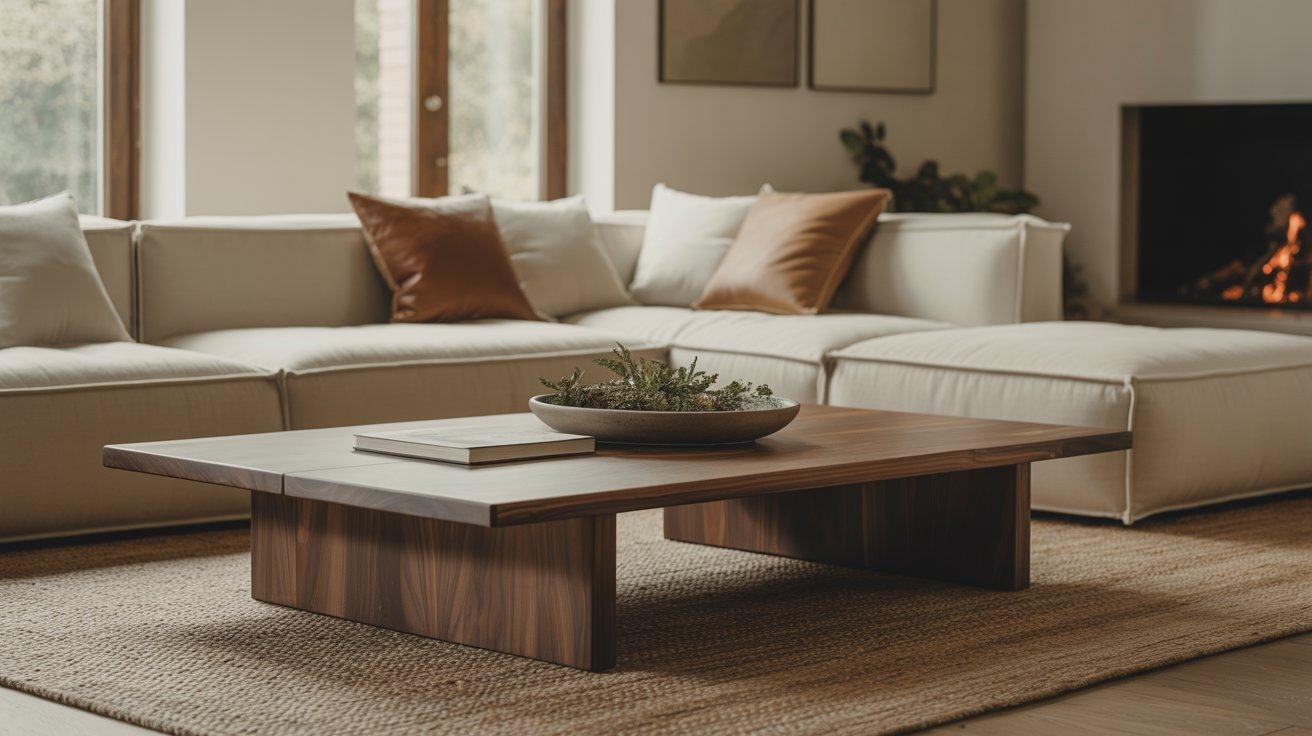
Modern interiors often appear sleek, minimal, and open. However, this clean aesthetic can sometimes feel cold or impersonal. The key to designing modern interiors that feel warm is to combine simplicity with comfort. By using natural materials, warm colours, layered textures, and thoughtful lighting, you can create spaces that are both stylish and inviting.
Understanding Modern Interiors
Modern interiors focus on clean lines, open layouts, and functionality. The design avoids clutter and focuses on balance and proportion. Furniture often features simple shapes, while the overall space remains open and breathable.
In modern interiors, every element has a purpose. This makes it essential to select each piece carefully. The challenge lies in adding warmth without losing the clarity of design. A warm modern space balances minimalism with a sense of life and personality.
Choosing Warm Colour Palettes
Colour plays a central role in creating warmth. Modern interiors often rely on neutral tones such as white, beige, grey, and black. To make these colours feel warm, introduce natural or earthy hues like terracotta, caramel, olive green, and soft taupe.
Warm metallics such as brass or bronze also add subtle warmth. Accent walls or soft furnishings in muted shades of pink, coral, or rust can make a space feel more welcoming. When using bold colours, apply them sparingly so that they complement rather than dominate the design.
Using Natural Materials
Natural materials add instant warmth to modern interiors, transforming clean lines into welcoming spaces. Wood, stone, linen, and cotton introduce organic texture that softens the sharper edges of minimalist design. Wooden floors, for instance, create visual warmth and a grounded atmosphere. Oak, walnut, and ash are timeless favourites that work beautifully in both traditional and contemporary settings. Stone surfaces such as marble or slate add contrast and sophistication, particularly when balanced with soft textiles and neutral tones. These combinations help achieve harmony between structure and comfort, an approach often celebrated by dRAW Architecture, a London-based studio known for its thoughtful integration of natural materials within modern design schemes.
When incorporating synthetic elements, attention to finish and texture becomes essential. High-quality veneers, refined laminates, or fabric upholstery can replicate the look and feel of nature without losing the clarity of a minimalist aesthetic. The key lies in maintaining balance, ensuring each surface complements the next, rather than competing for attention. This design philosophy, championed by dRAW Architecture, reflects how modern interiors can embrace warmth and authenticity while preserving contemporary elegance.
Layering Textures for Depth
Texture prevents a modern interior from feeling flat. Layering textures adds dimension and helps create a sense of comfort. Combine smooth, rough, and soft surfaces for visual interest.
For example, place a wool rug on a polished floor or drape a knitted throw over a leather chair. Mixing fabrics such as linen, velvet, and cotton adds both warmth and balance. Curtains, cushions, and rugs are simple ways to introduce texture without clutter.
Textures also affect how light interacts with a room. Soft fabrics absorb light, creating a calm and relaxing feel, while reflective surfaces like glass or metal keep the space open and bright.
Focusing on Lighting
Lighting has a powerful effect on mood and warmth. A modern interior benefits from layers of light that blend natural and artificial sources.
Start with natural light. Large windows, skylights, and glass doors keep the space bright and open. Avoid heavy curtains and instead use light, sheer fabrics to diffuse sunlight softly.
For artificial lighting, use a mix of ambient, task, and accent lights. Warm LED bulbs create a comfortable glow that balances modern fixtures. Pendant lights, wall sconces, and floor lamps in brass or matte finishes work well with modern interiors. Dimmer switches allow you to control brightness and adapt the atmosphere to different times of day.
Balancing Minimalism with Comfort
A common mistake in modern interior design is going too minimal. While simplicity is central, an overly sparse space can feel empty and cold. Comfort comes from balance.
Include furniture that invites relaxation, such as soft sofas, upholstered chairs, and layered bedding. Avoid filling the room with unnecessary items, but do add a few personal elements like books, framed photographs, or ceramics.
Plants also play an important role in warming modern interiors. Greenery adds colour, life, and natural softness to straight lines and neutral palettes. Even one large plant or a few small succulents can change the tone of a room.
Creating Functional and Cosy Spaces
Functionality defines modern interiors. However, function and comfort can exist together. The layout should promote easy movement while allowing for cosy corners or reading areas.
Use furniture that serves multiple purposes, such as a bench with storage or a coffee table with shelves. Keep pathways clear but include areas that invite you to sit and relax. For example, a soft rug under a coffee table or a window seat with cushions can turn unused space into a comfortable retreat.
Balance open areas with intimate zones to make the space feel both practical and welcoming.
Adding Warm Accents
Small details often make the biggest difference. Accessories, artwork, and textiles bring warmth without disturbing the modern structure.
Use cushions, throws, and rugs to introduce soft textures. Artwork with warm tones or natural subjects helps humanise the space. Decorative items in wood, clay, or woven fibres add character without clutter.
Candles and diffusers can also create a sense of comfort. Their soft light and subtle scents make modern interiors feel more personal.
Incorporating Warm Flooring and Finishes
Flooring sets the foundation of the interior. In modern interiors, wood and stone remain popular choices. To keep the design warm, choose finishes with natural grain or soft sheen.
Timber floors pair well with neutral walls and metallic accents. If you prefer tiles, select warmer tones such as sand or clay. Rugs help define spaces while adding softness underfoot.
When it comes to finishes, matte or satin textures often feel warmer than high gloss. Consider using brushed metal, textured plaster, or painted wood for a balanced look.
Maintaining Simplicity and Balance
A warm modern design depends on proportion and restraint. Avoid filling every space with decoration. Instead, allow each element to breathe. Empty space can enhance the presence of key features, such as a statement chair or a large artwork.
Keep visual balance by repeating certain colours or materials throughout the space. For example, a wood tone used in the furniture can reappear in picture frames or lighting fixtures. This consistency creates harmony and comfort.
Personalising the Space
Modern interiors can still reflect personal taste. The goal is to add warmth without cluttering the clean design. Select meaningful items that tell a story. A favourite photograph, a travel souvenir, or a handmade vase can express character.
Personal touches make the space feel lived-in and comfortable. The design should represent your lifestyle rather than follow a strict style guide.
Conclusion
Designing modern interiors that feel warm requires thoughtful choices. The balance of colour, light, texture, and material shapes how a room feels. Natural elements and soft lighting create warmth, while minimalism keeps the design clear and modern.
By focusing on comfort, functionality, and personal touches, you can design modern interiors that are both stylish and inviting. A well-balanced modern interior should make you feel calm, connected, and at home every time you enter.
 Tech Blog