
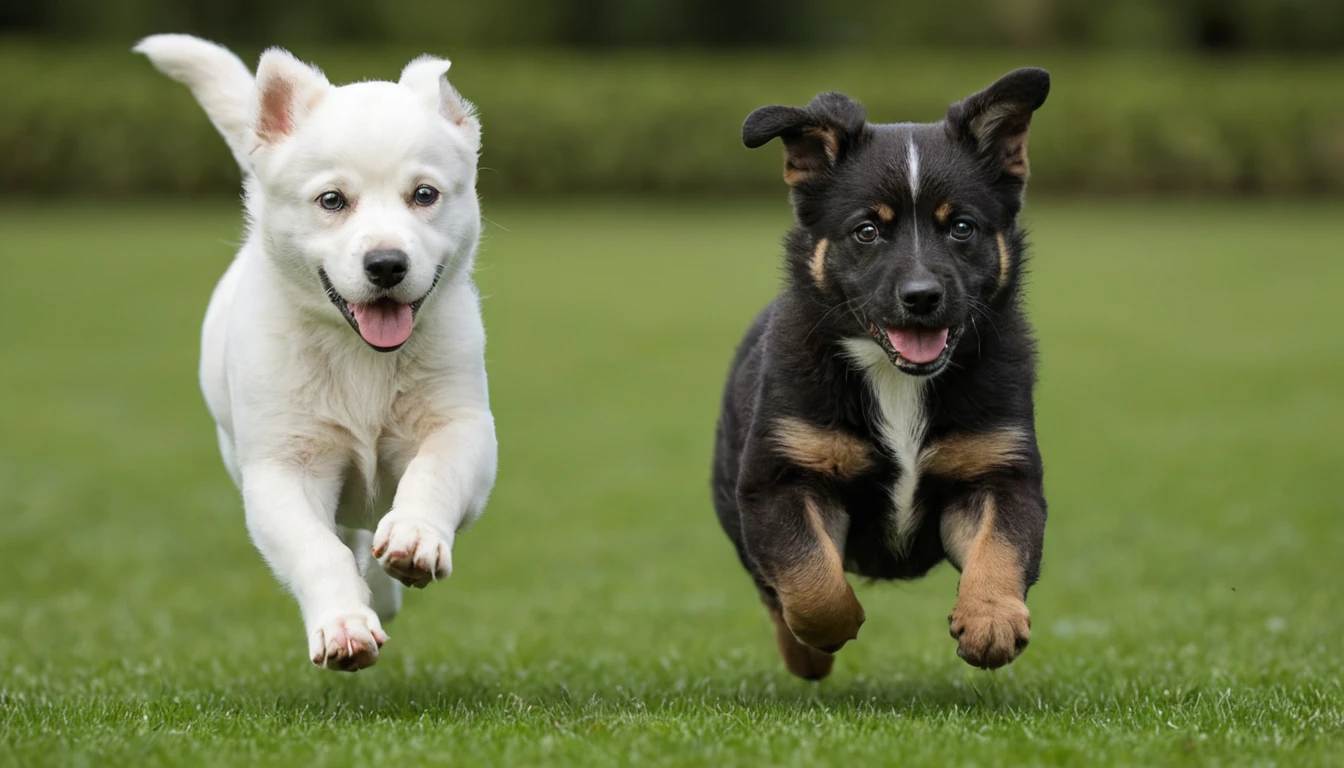
Dog growth is an important topic for owners who want to understand their pet’s health and development. Many people notice that dogs of the same breed often grow at different rates. This difference can be confusing, especially when comparing dog weight and height within one breed. Growth is influenced by many factors, including genetics, nutrition, exercise, and health conditions. This article explains why some dogs grow faster than others of the same breed, and how owners can support healthy development.
Understanding Dog Growth
Growth in dogs refers to the increase in body size, height, and weight as they develop from puppyhood into adulthood. Growth patterns vary by breed, but individual dogs within the same breed can also show significant differences.
Puppy Growth Stages
- Neonatal stage: Birth to 2 weeks. Puppies are small, fragile, and fully dependent on the mother.
- Transitional stage: 2 to 4 weeks. Puppies begin to open their eyes, move more, and develop early senses.
- Socialization stage: 4 to 12 weeks. Growth becomes faster, and puppies start interacting with humans and other dogs.
- Juvenile stage: 3 to 6 months. This is a rapid growth period with noticeable changes in dog weight and body shape.
- Adolescent stage: 6 to 18 months. Growth slows, but the body continues to fill out with muscle and bone density.
- Adult stage: Around 1 to 2 years. Growth is complete, and the dog reaches its full size.
These stages provide a basic timeline, but growth speed and final size can differ within the same breed.
Factors That Affect Dog Growth
Several factors explain why one dog may grow faster than another of the same breed.
Genetics
Genetics play the largest role in determining growth rate. Dogs inherit traits from both parents, including size potential. Even within one breed, some dogs may come from bloodlines with larger frames, while others may come from smaller-framed parents. This difference directly affects dog weight and height during growth.
Nutrition
Diet quality and feeding practices strongly influence growth. A dog with balanced nutrition will generally grow faster and healthier than a dog that lacks essential nutrients. Protein supports muscle development, calcium strengthens bones, and fats provide energy. Poor nutrition can lead to slower growth and even long-term health problems. Overfeeding can also cause excessive dog weight, which may stress joints and bones.
Exercise and Activity
Regular exercise supports proper growth. Puppies that get enough physical activity develop stronger muscles and bones. However, too much exercise can cause stress on growing joints, leading to uneven growth. Controlled activity helps balance growth speed and weight management.
Health Conditions
Some medical issues slow down growth. Digestive problems can reduce nutrient absorption, while hormonal imbalances such as thyroid disorders can affect growth rate. Parasitic infections, like worms, may also prevent dogs from gaining healthy weight. Regular vet visits help detect and manage these conditions early.
Gender Differences
Male dogs often grow larger and heavier than females, even within the same breed. Hormonal differences affect muscle development, bone density, and growth rate. In many breeds, male dogs take longer to reach full maturity but end up heavier than females.
Spaying and Neutering
The age at which a dog is spayed or neutered can influence growth. Early neutering may slightly delay the closing of growth plates in bones, which can result in taller dogs. However, this does not always increase dog weight. Timing and breed-specific recommendations should be discussed with a veterinarian.
Breed-Specific Dog Growth
While genetics and environment affect individual growth, the breed itself provides a baseline for expectations.
Small Breeds
Small breeds like Chihuahuas or Toy Poodles grow quickly and usually reach adult size within 9 to 12 months. Variations within the breed may occur, but differences are less noticeable because the final size range is small.
Medium Breeds
Breeds like Beagles and Bulldogs take longer to mature, usually around 12 to 15 months. Some may grow faster depending on nutrition and genetics, but most stay within an expected weight range.
Large Breeds
Labradors, Golden Retrievers, and German Shepherds can take up to 18 months to fully mature. Within these breeds, differences in dog weight and height are more noticeable. Some dogs grow quickly and reach near-adult size within a year, while others continue filling out for several more months.
Giant Breeds
Great Danes, Mastiffs, and Saint Bernards can take up to two years or more to complete growth. Differences within these breeds can be dramatic. Some dogs may appear fully grown at 12 months, but they continue gaining muscle and bone mass well beyond that age.
How Owners Can Support Healthy Growth
Supporting healthy growth involves consistent care, proper feeding, and medical attention.
Balanced Nutrition
Providing food that matches a dog’s breed size and age is essential for healthy development. Puppies need a balanced diet rich in protein, fats, and minerals to support growth, muscle strength, and energy levels. Choosing the right formula early helps prevent nutritional deficiencies and ensures your pet grows at a steady and healthy pace. Large breed puppies, in particular, require food designed to protect developing joints and avoid excessive weight gain that can strain their bodies.
Pet owners can make smarter feeding decisions by using tools like a dog size calculator, which estimates your dog’s potential adult size based on its breed, weight, and age. This helps you select the most appropriate food portions, plan growth milestones, and choose the right type of diet at every stage of your dog’s life. With accurate guidance, you can promote better overall health, prevent obesity, and give your pet the nutrition it needs for a long, active life.
Regular Exercise
Allow daily activity to strengthen muscles and support bone development. For growing puppies, exercise should include walking, light play, and short training sessions. Avoid excessive jumping or running on hard surfaces to protect joints.
Routine Veterinary Care
Schedule regular checkups to monitor dog weight and overall growth. A veterinarian can detect slow growth or excessive weight gain early. Vaccinations and parasite control also prevent health issues that may slow growth.
Monitoring Weight and Size
Track changes in dog weight and body condition. Sudden weight loss or extreme gain may indicate a problem. Compare growth progress with breed averages, but remember that individual differences are normal.
Avoid Overfeeding
Some owners confuse fast growth with healthy growth. Overfeeding can make a dog overweight, which increases the risk of joint problems and other health issues. Feed correct portions and avoid too many treats.
Why Growth Differences Are Normal
It is natural for two dogs of the same breed to grow at different rates. Growth is not only about size but also about body composition, bone development, and muscle strength. One dog may reach height earlier, while another may take longer but gain more weight later. These differences reflect individual genetics and lifestyle.
Conclusion
Dog growth varies between individuals, even within the same breed. Factors such as genetics, nutrition, exercise, health conditions, and gender all influence growth speed and final size. Understanding these differences helps owners provide the right care for their pets. Monitoring dog weight, feeding balanced diets, ensuring proper exercise, and scheduling regular vet visits all contribute to healthy growth. By recognizing that each dog grows at its own pace, owners can focus on supporting long-term health rather than comparing one dog to another.
 Tech Blog