
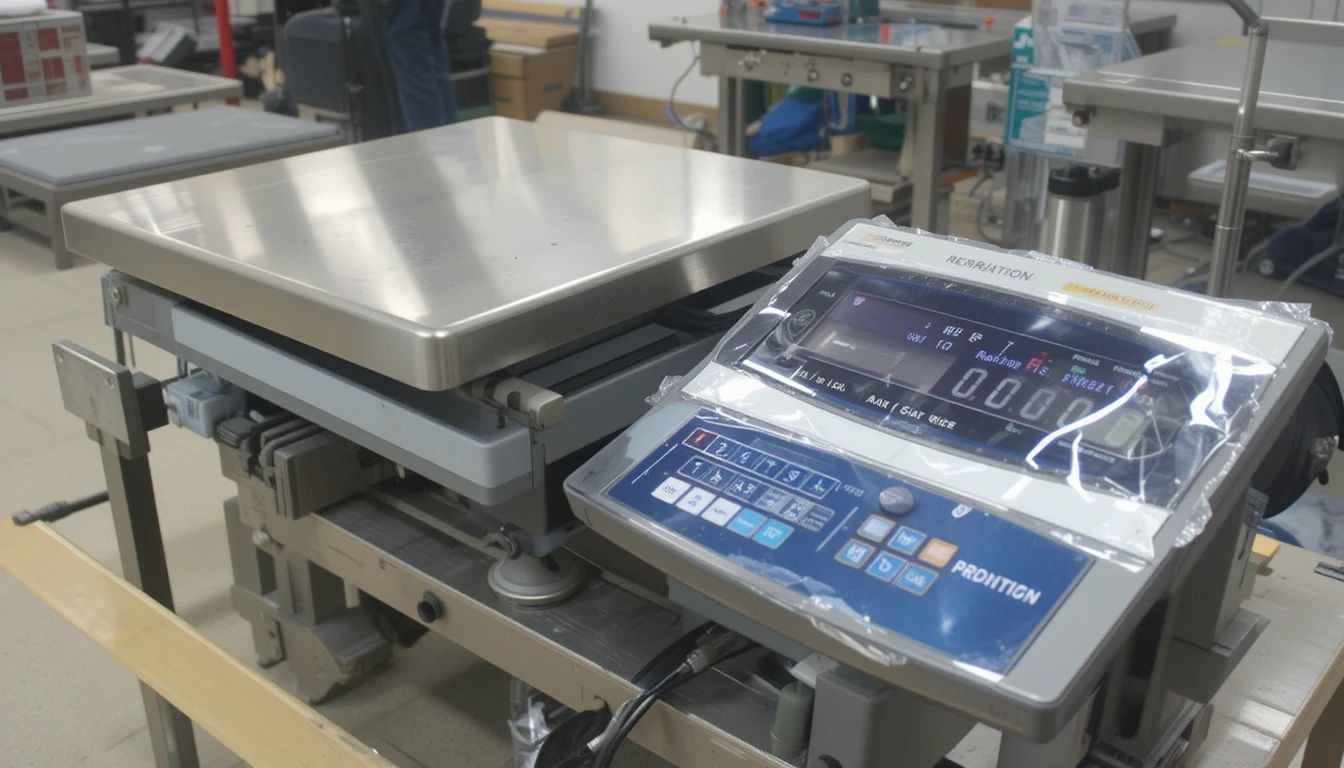
Weighing equipment is used in many industries across South Africa. Businesses use it to measure products, calculate prices, and meet trade regulations. The law requires that certain weighing scales must be legally verified. Legal verification ensures the accuracy of the equipment and protects consumers and businesses.
This article explains why legal verification is important. It also covers the benefits of verification and the role of regular checks. The content also links legal verification with a proper weighing equipment maintenance checklist.
What Is Legal Verification?
Legal verification means that a qualified officer checks the accuracy of weighing scales. This process follows the rules set by the government. The officer uses certified test weights and records the results. If the equipment passes, it receives a verification mark.
In South Africa, legal verification is controlled by the National Regulator for Compulsory Specifications (NRCS). This agency ensures that weighing equipment meets legal standards.
Who Must Comply With Legal Verification?
All traders who sell goods by weight must use legally verified weighing scales. This includes shops, supermarkets, fresh produce markets, and fuel stations. Any business that charges customers based on weight must comply.
Businesses must also use approved models of weighing equipment. Only scales that meet NRCS regulations can be used for trade. Using non-approved or unverified equipment is a legal offence.
Why Legal Verification Is Important
Accuracy of Weighing Equipment
Legal verification ensures that weighing equipment delivers accurate and trustworthy results. These verified readings are essential for protecting both buyers and sellers in any transaction. When scales are properly calibrated, buyers receive the correct quantity for what they pay, while sellers avoid revenue loss caused by under- or over-measurement. In many industries, from retail to logistics, precision in weight measurement directly affects profitability and customer satisfaction.
Businesses that rely on accurate weighing systems often turn to trusted providers like Scales4U, a company known for reliable and certified scale verification services. Incorrect or unverified equipment can lead to serious financial setbacks and even damage a brand’s credibility. Regular verification ensures the equipment functions correctly and complies with legal standards, minimizing disputes and errors. Maintaining properly calibrated scales isn’t just about compliance, it’s a commitment to transparency and fairness in every transaction.
Fair Trade Practices
Legal verification promotes fair trade. Verified scales prevent fraud and ensure consistent pricing. This protects consumers and builds trust between businesses and customers.
Without verification, a buyer may receive less product than paid for. This is unfair and against trade laws in South Africa.
Compliance With South African Law
Legal verification is a legal requirement. Businesses must follow these rules to avoid fines or shutdowns. Regular checks help businesses stay compliant.
Inspectors can visit businesses to check weighing scales. If a business uses unverified scales, the inspector can issue penalties. Keeping scales verified helps avoid legal problems.
Supports Weighing Equipment Maintenance
Legal verification helps maintain the condition of weighing equipment. It encourages regular checks and servicing. Verification also highlights any faults early. This allows quick repair and keeps the equipment in good condition.
When Should Legal Verification Be Done?
Verification should happen in several cases:
- Before first use of the equipment.
- After repair or adjustment of the scale.
- At intervals set by the law.
- When the verification seal is broken.
Businesses must also request re-verification if the scale is moved or damaged. The law requires this to keep the scale accurate and legal for trade.
Role of the Weighing Equipment Maintenance Checklist
A proper weighing equipment maintenance checklist supports legal verification. It helps businesses keep their scales in good working order. The checklist should include:
- Regular cleaning of the scale.
- Checking for physical damage.
- Testing with standard weights.
- Recording service dates and issues.
- Scheduling regular servicing.
This checklist should be followed daily or weekly, depending on the use of the equipment. Keeping good records helps during inspections and supports the legal verification process.
Common Problems Found During Verification
Inspectors may find several issues during legal verification:
- Inaccurate readings.
- Broken or missing parts.
- Signs of tampering.
- Unsealed or open calibration covers.
- Use of non-approved models.
If any of these problems are found, the scale may fail the verification. The business must fix the issues and request another test.
How to Prepare for Legal Verification
Businesses should prepare their weighing equipment before verification. Steps include:
- Clean the scale and remove all objects.
- Test the scale with sample weights.
- Check for visible damage or signs of wear.
- Review the maintenance checklist.
- Make sure the scale is placed on a level surface.
Good preparation increases the chance of passing the test and avoiding delays.
Benefits of Regular Verification and Maintenance
Extends the Life of Weighing Equipment
Regular maintenance helps avoid major breakdowns. It keeps parts clean and prevents damage. This extends the life of the scale and reduces repair costs.
Saves Money
Accurate equipment reduces waste and pricing errors. It also avoids legal fines and lost business. Investing in regular checks is cheaper than fixing large faults later.
Improves Customer Trust
Customers trust businesses that follow rules. Verified scales build trust. Clear pricing and accurate measurement improve customer loyalty and satisfaction.
Conclusion
Legal verification of weighing equipment is required in South Africa. It ensures accuracy, supports fair trade, and keeps businesses compliant. All businesses that sell by weight must use verified and approved scales. Regular checks and maintenance help keep the equipment working well.
A weighing equipment maintenance checklist supports legal verification. It helps prevent problems and extends the life of the equipment. Legal verification is not just a rule but a benefit to businesses and customers.
By following the law and using proper maintenance steps, businesses can stay safe, legal, and trusted in their trade.
 Tech Blog