
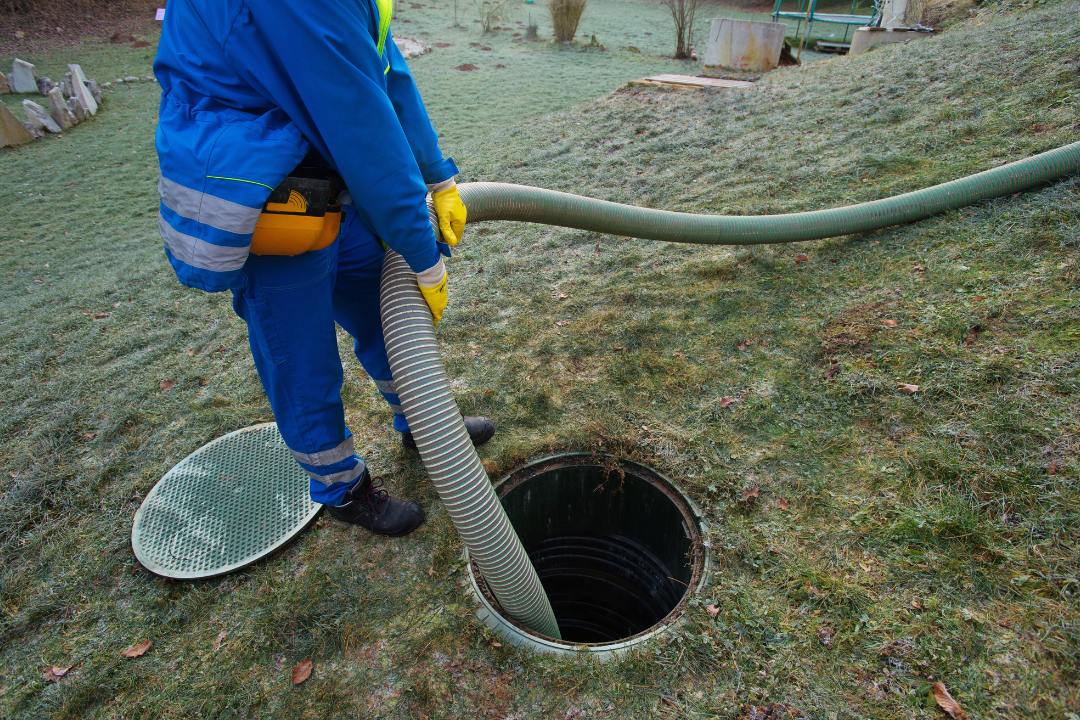
Maintaining a healthy septic system is crucial for every homeowner who relies on one. But the big question is, how often should you pump your septic system? This task is not only essential for keeping your home running smoothly but also for avoiding costly repairs and ensuring the longevity of your system. In this article, we’ll dive deep into the details to help you understand how often you should pump your septic tank and what factors influence this timeline.
Why Is Septic System Maintenance Important?
A septic system is designed to treat wastewater from your home, but over time, solids accumulate in the tank. If these solids are not removed, they can overflow into the drain field, causing blockages, unpleasant odors, and potentially expensive repairs. Proper maintenance, including regular pumping, ensures your system functions efficiently and avoids environmental hazards.
What Is a Septic Tank, and How Does It Work?
Before we get into how often you should pump your septic system, it’s helpful to understand how it operates. A septic tank is an underground container that collects wastewater from your home. It separates the waste into three layers:
- Scum: Lighter materials like oils and fats that float to the top.
- Sludge: Heavier solids that sink to the bottom.
- Effluent: The liquid layer in the middle that flows into the drain field for further treatment.
Over time, the sludge and scum layers build up, reducing the tank’s capacity and potentially leading to system failure if not addressed.
How Often Should You Pump Your Septic System?
The general recommendation for septic tank pumping is every 3 to 5 years. However, this timeline isn’t one-size-fits-all. Several factors can influence how frequently your tank needs servicing.
Factors Affecting Pumping Frequency
1. Tank Size
The size of your septic tank plays a major role in how often you’ll need to pump it. Larger tanks can hold more waste and may require less frequent pumping, while smaller tanks fill up more quickly.
- Small tanks (500-750 gallons): Pump every 1-2 years.
- Medium tanks (1,000 gallons): Pump every 3-5 years.
- Large tanks (1,500+ gallons): Pump every 5-7 years.
2. Household Size
The number of people in your household directly impacts wastewater production. More people generate more waste, which means your septic tank will fill up faster.
- Single-person household: Pump every 5-7 years.
- Family of four: Pump every 3-5 years.
- Larger households: Pump every 1-3 years.
3. Water Usage Habits
Your daily water usage also influences how quickly your septic tank fills up. Excessive water use or inefficient appliances can overwhelm the system.
- Install water-saving fixtures.
- Spread out laundry and dishwasher loads.
4. Type of Waste
The materials you flush or drain affect your tank’s health. Non-biodegradable items, grease, and excessive solids increase the need for pumping.
- Avoid flushing wipes, diapers, or feminine hygiene products.
- Minimize food scraps and grease in your drains.
How Can You Tell If Your Septic Tank Needs Pumping?
If you’re not sure about your tank’s schedule, watch for these warning signs:
- Slow drains: Sluggish sinks and toilets may indicate a full tank.
- Foul odors: Unpleasant smells near the tank or drain field suggest trouble.
- Pooling water: Excess water in the yard can signal an overflowing tank.
- Backups: Wastewater backing up into your home is a red flag.
If you notice any of these issues, contact a septic professional immediately.
How Often Should You Pump Your Septic System? (Exploring Specific Scenarios)
New Homeowners
If you’ve recently moved into a home with a septic system and don’t know its maintenance history, it’s wise to have the tank inspected and pumped right away. This establishes a baseline for future maintenance.
Vacation Homes
Homes used seasonally may not need pumping as often as full-time residences. However, periodic inspections are essential to avoid surprises.
- Pump every 5-7 years or after extended periods of heavy use.
Businesses or Multi-Unit Properties
Properties with higher occupancy or commercial use often produce more waste, requiring more frequent pumping.
- Consult with a septic professional for customized advice.
Tips for Extending the Time Between Pumpings
While regular pumping is essential, you can take steps to reduce the frequency and keep your system in top condition.
- Be Mindful of What You Flush
Only flush toilet paper and human waste. Avoid flushing items like wipes, tissues, or cotton swabs. - Use Water Efficiently
- Fix leaky faucets and toilets.
- Install low-flow showerheads and faucets.
- Maintain Your Drain Field
- Keep heavy vehicles and structures off the drain field.
- Plant grass or shallow-rooted plants over the area to prevent erosion.
- Schedule Regular Inspections
A professional inspection every 1-3 years can catch issues early and help you plan your next pumping.
How to Find a Reliable Septic Professional?
Choosing the right service provider, like Clearflow Septic, is key to maintaining your septic system. Look for licensed, experienced professionals with good reviews. Ask for a detailed estimate and ensure they provide a report after pumping.
Conclusion: How Often Should You Pump Your Septic System?
The answer to how often should you pump your septic system? depends on several factors, including tank size, household size, water usage, and the type of waste entering the system. On average, most homeowners should pump their tanks every 3 to 5 years. However, staying vigilant and scheduling regular inspections can help you adjust this timeline to suit your needs.
Proper septic maintenance not only extends the life of your system but also protects your property and the environment. By following the tips and guidelines outlined in this article, you can ensure your septic system remains trouble-free for years to come.
 Tech Blog